“coffee tree growth conditions” search results (700)

The pure taste environment of Colombian coffee makes the pure taste.
The pure taste of Colombian coffee comes from Colombia's natural environment with the most favorable conditions for coffee growth. But beyond that, it is inseparable from the hard work of local growers. In Colombia, the planting area of coffee has reached 1.07 million hectares, there are about 302000 coffee plantations in the country, and 30 to 40 percent of the rural population live directly.
2015-11-06 Columbia Coffee Pure Taste Environment Achievement
Colombia Coffee Introduction Coffee Flavor
Colombia Coffee (Cafe de Colombia) is produced in Colombia and is one of the few single-origin coffees sold in the world under its name. In terms of quality, it has earned accolades that no other coffee can match. Colombia is more concerned with product development and production promotion than other producing countries. It is this, coupled with its superior geographical and climatic conditions, that makes Columbus
2015-12-30 Boutique Coffee Bean Colombia Coffee Latest Introduction Flavor Unique Colombi
Introduction to the characteristics of Hawaiian Kona Coffee Flavor Manor with very suitable Climatic conditions
Kona coffee has always been grown at home. At first, only men were allowed to work in the coffee garden, and later women joined in. This kind of family production of Hawaiians preferred to rely on the efforts of their families rather than hiring workers to work, so it was normal for Hawaiians to have eight or nine children at that time. Since then, there have been new immigrants from the Philippines and the United States.
2016-08-08 Climate conditions very suitable Hawaii Kona coffee flavor taste manor
The growth process of coffee beans in the place where coffee grows
Finally, I have an opportunity to witness the formation of coffee. The coffee comes from Ethiopian coffee after visiting MONTENEGRO National Coffee Park in QUINDIO Province, Colombia, and a garden coffee farm in MANIZALES, CALDAS Province. In Colombia, it was taken from the French Antilles by a priest in 1808.
2015-05-06 Coffee growth place coffee beans process finally catch an opportunity
The forming Environment of Coffee trees
In botany, coffee trees belong to the evergreen trees of the subgenus Rubiaceae, and coffee beans, commonly known as coffee beans, are actually the seeds of the fruit of coffee trees, just because they are shaped like beans. Climate is the decisive factor for coffee cultivation. Coffee trees are only suitable for growing in the tropics or subtropics, so the zone between latitude 25 degrees south and north is generally called coffee belt or coffee area.
2015-07-30 Coffee generation environment boutique coffee botany belong to grass family subgenus evergreen
Sidamo production area introduced by Coffee Tree Plantation
Variety classification Arabica bean coffee tree can be divided into two main varieties: Arabica species (Coffea Arabica) and Robusta species (Coffea Robusta/Coffea Canephora). There are also some minor species, such as the Liberian species (Coffea Liberica) and the Alabasta species (Coffea Arabusta), but they are rare on the market. Rob.
2016-06-16 Coffee planting Manor introduction West Dharma producing area Variety Classification Rabbi
Introduction of Colombian coffee beans with high quality, delicious taste and worldwide reputation
The origin of Colombian coffee the pure taste of Colombian coffee comes from Colombia's natural environment with the most favorable conditions for coffee growth. But beyond that, it is inseparable from the hard work of local growers. In Colombia, the planting area of coffee has reached 1.07 million hectares, there are about 302000 coffee plantations in the country, and 30 to 40 percent of the rural population live directly.
2016-06-23 Quality delicious famous all over the world Colombia coffee beans introduction coffee
The planting temperature of coffee tree is between 15 degrees and 25 degrees.
The origin of the coffee tree is Ethiopia in Africa. In botany, coffee trees belong to the evergreen trees of the subgenus Rubiaceae, and coffee beans, commonly known as coffee beans, are actually the seeds of the fruit of coffee trees. They are called coffee beans only because they are shaped like beans. Climate is the decisive factor for coffee cultivation. Coffee trees are only suitable for growing in the tropics or subtropics, so latitude 25 degrees south and north.
2015-10-07 Coffee planting condition temperature between 15 degrees -25 degrees between coffee
The geographical distribution of coffee trees how would you like your latte coffee foam to be beaten?
Coffee grows mostly in countries with alpine terrain between the Tropic of Cancer and the Tropic of Cancer. It is native to tropical Africa and is introduced and cultivated in South and Southwest China. [2] the cultivation technology editor requires that the origin of the coffee tree [4] is in Ethiopia in Africa. In botany, the coffee tree belongs to the evergreen tree of the coffee subgenus of Rubiaceae, and the so-called coffee bean is actually the fruit of the coffee tree.
2016-06-06 Coffee geographical distribution latte milk foam beaten what kind coffee long promised land
Introduction to cultivation techniques of Coffee Fruit
Cultivation techniques require that the origin of coffee trees [4] is in Ethiopia in Africa. In botany, coffee trees belong to the evergreen trees of the subgenus Rubiaceae, and coffee beans, commonly known as coffee beans, are actually the seeds of the fruit of coffee trees. They are called coffee beans only because they are shaped like beans. Climate is the decisive factor for coffee cultivation, and coffee trees are only suitable for growing in the tropics or subheat.
2016-06-13 Coffee fruit cultivation techniques introduction requirements coffee origin non-
Growing conditions of coffee
Coffee can not be grown in any environment, because it is originally a plant growing in a tropical rain forest. In systematic development, coffee forms the habit of calm wind, cool, shaded or semi-shaded and humid environment.
2014-06-06 Coffee knowledge coffee trees planting
El Salvador Coffee Variety types El Salvador Coffee production conditions
Coffee (Xoffea arabica Linn) Coffee is a perennial evergreen shrub or small tree of Rubiaceae. It is a horticultural perennial cash crop with the characteristics of fast growth, high yield, high value and wide market. Wild coffee trees can grow to a height of 5 to 10 meters, but coffee trees planted on the manor are often cut to a height of less than 2 meters in order to increase the amount of fruit and facilitate harvesting.
2016-05-29 El Salvador coffee variety type production conditions
Introduction to the characteristics of Coffee Flavor description and Grinding degree of Lazmus Manor in Colombia
The pure taste of Colombian coffee comes from Colombia's natural environment with the most favorable conditions for coffee growth. But beyond that, it is inseparable from the hard work of local growers. In Colombia, coffee cultivation has reached 1.07 million hectares, there are about 302000 coffee plantations in the country, and 30 to 40 per cent of the rural population depends directly on coffee production. Columby
2016-10-09 Aftertaste endless Columbia Raz Moss Manor Coffee Flavor description
Fine Coffee Encyclopedia barista course
The formation environment of coffee trees in botany, coffee trees belong to the evergreen trees of the subgenus Rubiaceae, and coffee beans, commonly known as coffee beans, are actually the seeds of the fruit of coffee trees, just because they are shaped like beans, so they are called coffee beans. Climate is the decisive factor for coffee cultivation. Coffee trees are only suitable for growing in the tropics or subtropics, so the zone between latitude 25 degrees south and north is generally called
2014-10-23 Coffee knowledge fine coffee encyclopedia barista tutorials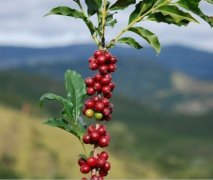
Fine Coffee study the forming Environment of Coffee trees
In botany, coffee trees belong to the evergreen trees of the subgenus Rubiaceae, and coffee beans, commonly known as coffee beans, are actually the seeds of the fruit of coffee trees, just because they are shaped like beans. Climate is the decisive factor for coffee cultivation. Coffee trees are only suitable for growing in the tropics or subtropics, so the zone between latitude 25 degrees south and north is generally called coffee belt or coffee area.
2015-01-07 Boutique Coffee Generation Environment Botany belonging to Grass Family subgenus Evergreen
The requirements of geographical environment for the cultivation techniques of coffee trees
The cultivation technology editor requires that the origin of coffee tree [4] is in Ethiopia in Africa. In botany, coffee trees belong to the evergreen trees of the subgenus Rubiaceae, and coffee beans, commonly known as coffee beans, are actually the seeds of the fruit of coffee trees. They are called coffee beans only because they are shaped like beans. Climate is the decisive factor for coffee cultivation. Coffee trees are only suitable for growing in the tropics or
2016-06-06 Coffee species cultivation techniques geographical environment requirements editors
Geographical Distribution cultivation techniques of Coffee trees
Coffee grows mostly in countries with alpine terrain between the Tropic of Cancer and the Tropic of Cancer. It is native to tropical Africa and is introduced and cultivated in South and Southwest China. [2] the cultivation technology editor requires that the origin of the coffee tree [4] is in Ethiopia in Africa. In botany, the coffee tree belongs to the evergreen tree of the coffee subgenus of Rubiaceae, and the so-called coffee bean is actually the fruit of the coffee tree.
2016-06-08 Coffee geographical distribution cultivation techniques coffee long promised land mostly located in Beihui
Geographical Distribution cultivation techniques of Coffee trees
Coffee grows mostly in countries with alpine terrain between the Tropic of Cancer and the Tropic of Cancer. It is native to tropical Africa and is introduced and cultivated in South and Southwest China. [2] the cultivation technology editor requires that the origin of the coffee tree [4] is in Ethiopia in Africa. In botany, the coffee tree belongs to the evergreen tree of the coffee subgenus of Rubiaceae, and the so-called coffee bean is actually the fruit of the coffee tree.
2016-06-08 Coffee geographical distribution cultivation techniques coffee long promised land mostly located in Beihui
Understanding the planting and Distribution of Coffee trees
The planting and distribution of coffee trees the origin of coffee trees is in Ethiopia, Africa. In botany, coffee trees belong to the evergreen trees of the subgenus Rubiaceae, and coffee beans, commonly known as coffee beans, are actually the seeds of the fruit of coffee trees. They are called coffee beans only because they are shaped like beans. Climate is the decisive factor for coffee cultivation, and coffee trees are only suitable for growing in the tropics or subheat.
2015-08-19 Recognition Coffee planting Distribution Origin Africa Ethiopia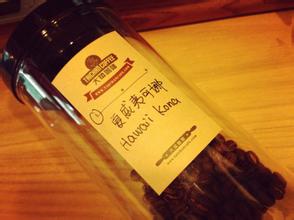
Hawaiian Kona Coffee latest Coffee introduction
Hawaiian Kona coffee mellow and sour coffee beans, unique growth and climatic environment make Hawaii Kona perfect flavor: Hawaiian beach, monsoon and volcanic flavor. Kona coffee beans produced in Hawaii are the most beautiful coffee beans in the world. They are extremely full and shiny. Kona coffee beans are evenly shaped, strongly sour and sweet, and taste wet and smooth.
2015-12-17 Hawaii Kona Coffee latest introduction first Class